



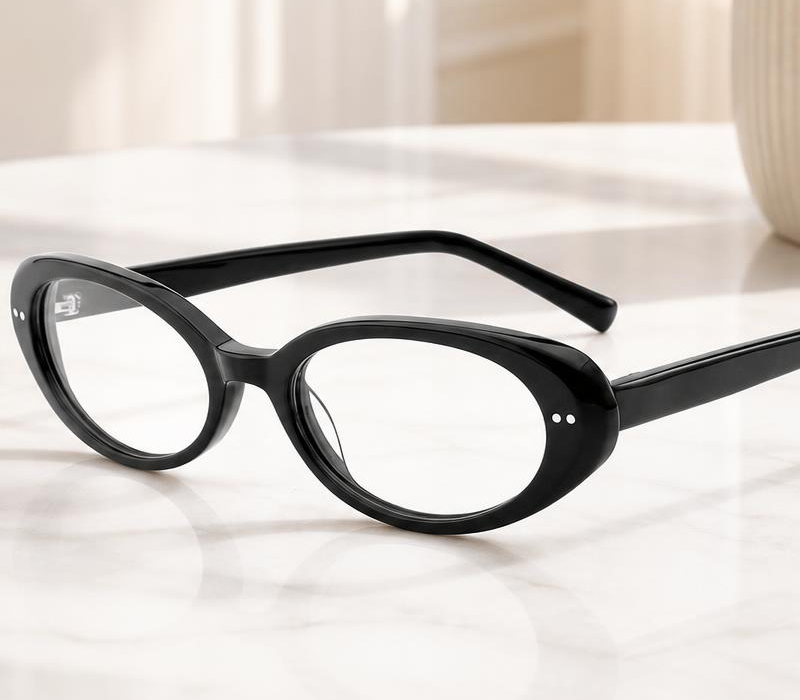
Acetate prescription glasses frames look simple when you see them on a shelf, but in real production, the process behind them is much more detailed than most people expect. In an actual acetate glasses frame manufacturer workflow, the frame is not just assembled — it is gradually “built” through material selection, shaping, and manual refinement.
At Wisdom Vision, an experienced optical frame factory and OEM eyeglasses frame supplier, the entire production process is designed to control consistency from the very beginning, not just inspect the final product.
It all starts with the acetate material
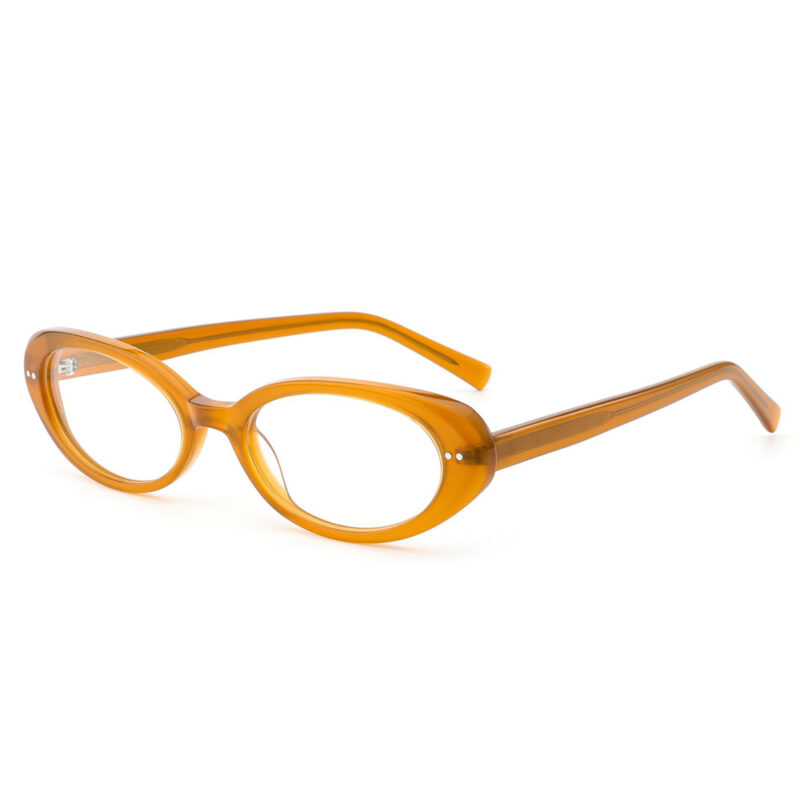
The first step is selecting cellulose acetate sheets. This material comes from natural cotton fibers and wood pulp, but not all acetate is the same. Different batches can vary in density, flexibility, and even how the color layers behave after polishing.
In real production, this matters more than most people think. For example, when producing an acetate prescription glasses frame, unstable material can cause slight warping during heat forming, which later affects how the frame sits on the face. That’s why a professional acetate glasses frame manufacturer spends a lot of time checking material stability before anything is cut.
Cutting and rough shaping the frame
Once the acetate sheets are approved, they are cut into basic frame outlines using CNC machines. This step looks mechanical, but the programming behind it is actually quite important.
Different designs require different cutting logic. A simple round frame is not processed the same way as an oval acetate glasses frame, because curvature and balance need to be maintained even at the rough stage. At this point, the frame still looks flat and unfinished. It’s only a starting shape.

Heat forming is where the frame starts to “come alive”
After cutting, the frame pieces are heated until the acetate becomes flexible. Then they are placed into molds that define the final structure. This step is where experience really matters. Temperature, timing, and pressure all affect the final result. Even small differences can change how the frame fits on the face. For styles like an oval eyeglasses frame women, symmetry and softness in the curve are especially important, so shaping accuracy becomes critical. A skilled OEM eyeglasses frame supplier relies more on process control here than on machines alone.
Polishing gives acetate its signature look
One of the reasons acetate frames are so popular is their surface quality. But this finish doesn’t come directly from the material — it is created through multiple polishing stages.
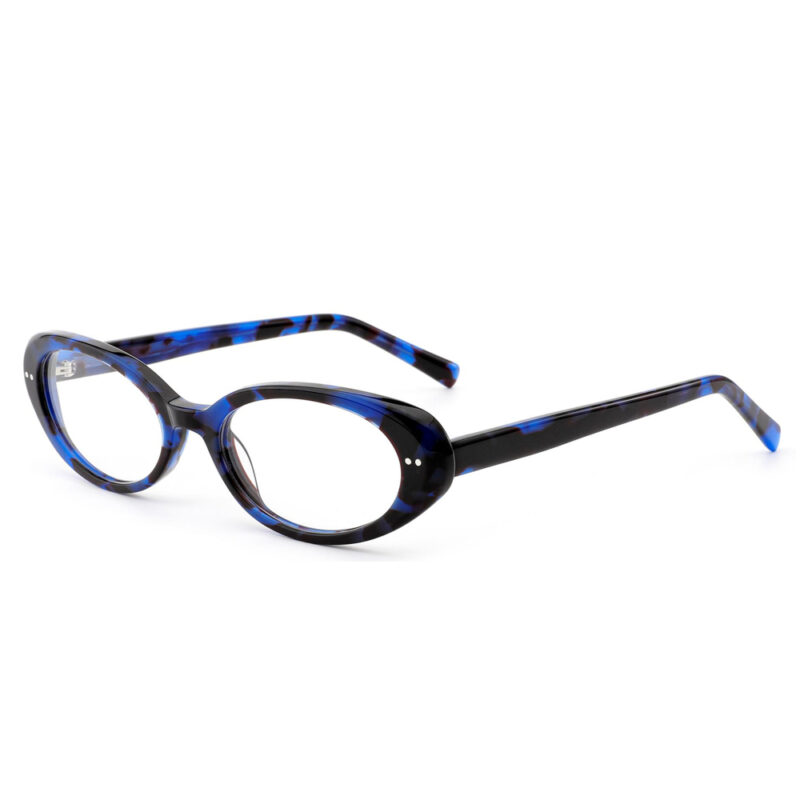
Frames go through tumbling, hand sanding, and final buffing. Each step slowly improves smoothness and clarity, bringing out the depth of layered colors inside the acetate. This is also the stage where premium appearance is defined, especially for fashion styles like oval acetate glasses frame designs.
Assembly is small work but high precision
After polishing, the frame moves to assembly. Hinges, screws, and temples are installed and adjusted. This part may look simple, but it directly affects user experience. If alignment is slightly off, the frame will feel uneven when worn. If hinge tension is inconsistent, durability drops quickly. A reliable optical frame factory pays close attention to this stage because it impacts long-term performance more than appearance.
Quality control is about consistency, not perfection
Before shipment, every batch goes through inspection. This includes checking alignment, surface finish, color uniformity, and mechanical movement. In OEM production, the key is not producing a single perfect piece — it is maintaining consistency across thousands of frames. At Wisdom Vision, this is especially important for long-term cooperation with global eyewear brands that rely on stable supply from an acetate glasses frame manufacturer.
OEM production is now the real industry standard
Today, most eyewear brands don’t produce frames themselves. Instead, they rely on an OEM eyeglasses frame supplier to handle design execution and manufacturing. This is especially common for fashion-driven styles like oval eyeglasses frame women, where collections change quickly and production flexibility matters more than owning factories. An experienced supplier like Wisdom Vision provides not only manufacturing, but also material selection, design adjustment, and batch stability support.
Final thoughts:
If you’ve ever looked closely at an acetate frame production line, you’ll notice something interesting — it’s not a highly automated process in the way people imagine modern manufacturing.
It’s a combination of controlled machinery and a lot of manual judgment. Machines define structure, but experience defines quality. That’s why different optical frame factories can produce frames that look similar, but perform very differently in real use.
